
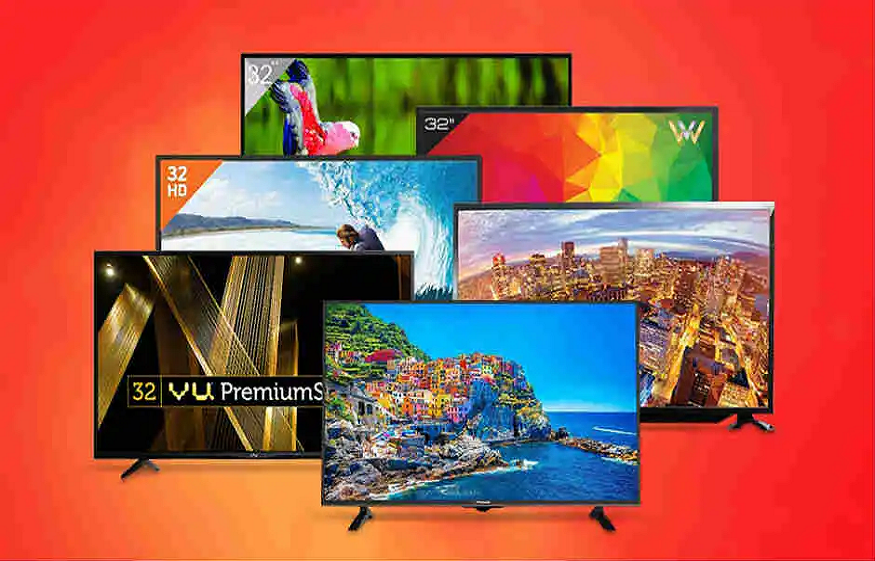
In recent years, the landscape of consumer buying behaviour in India has undergone a significant transformation. This change has been facilitated largely by the increasing popularity of purchasing goods on Equated Monthly Instalments (EMIs). From smartphones to home appliances, and even a TV on EMI, the culture of buy-now-pay-later has become embedded in the fabric of our shopping habits. But what drives this shift towards preferring instalments over full payments? And why has Easy EMI become the buzzword among savvy shoppers?
The Changing Dynamics of Consumer Purchasing Power
Understanding EMI Shopping
An EMI, or Equated Monthly Instalment, is a fixed payment amount made by a borrower to a lender at a specified date each calendar month. Such a financial arrangement allows consumers to afford products without bearing the immediate financial burden of a lump-sum payment.
In the Indian context, the allure of paying in parts has found a burgeoning market, largely due to the country’s rising disposable incomes and a heightened desire for an improved standard of living. The aspiration to own the latest gadgets, stylish home furnishings, or even a sleek flat-screen TV on EMI has been made remarkably accessible through EMI shopping.
Historical Rise and Influence
Historically, the concept of instalment shopping in India wasn’t novel. In the past, it was a mechanism limited primarily to high-value purchases like homes or cars. However, over the past decade, the scenario has changed drastically. The availability of Easy EMI options on even low and mid-range products reflects a paradigm shift in financial institutions’ strategies and consumer expectations alike.
Why Consumers Opt for EMIs: The Underlying Factors
Enhanced Affordability with Easy EMI
At the heart of the EMI culture is the notion of enhanced affordability. Simply put, breaking down a significant purchase into smaller, more manageable payments paves the way for a broader audience to access products they might otherwise deem financially out of reach.
For example, a family yearning for a state-of-the-art TV on EMI can do so without straining its monthly budget. This accessibility is pivotal in a rapidly modernising India, where consumers are inclined towards adopting new technologies and better living standards.
Psychological Comfort
The psychology behind consumer purchasing behaviours cannot be ignored. The idea of not having to part with a large sum of money upfront offers a sense of psychological comfort to buyers. People may be more willing to spend, say, ₹1,500 a month over 12 months, than to hand over ₹18,000 all at once. This distribution of expense helps maintain a cash flow, providing financial stability.
Facilitating Emergency Expenditures
EMIs also provide a cushion during emergencies. Whether it’s a necessary home repair, an urgent gadget purchase, or medical equipment, Easy EMI options enable consumers to manage unforeseen expenses without upsetting their entire financial equilibrium.
Boost from the E-commerce Sector
The digital revolution has particularly fuelled the EMI trend. E-commerce giants such as Amazon and Flipkart have been instrumental in popularising the TV on EMI and other electronic purchases among Indian consumers. The online platforms routinely tie up with financial institutions to offer attractive EMI deals and discounts, making high-ticket items more financially palatable to the average consumer.
Financial Institutions: Catalysts of the EMI Trend
Bank Partnerships and FinTech Innovations
Financial institutions have played a significant role in driving the EMI culture. Banks, along with non-banking financial companies (NBFCs), aggressively promote credit card EMI features, personal loans, and consumer durable loans that align with the notion of Easy EMI.
Additionally, the growth of FinTech companies in India has revolutionised access to credit facilities. These companies offer competitive interest rates and speedy approvals, ensuring that consumers can easily purchase, say, a TV on EMI without cumbersome documentation processes.
Zero-Cost EMI Offers
One of the biggest game-changers in EMI shopping is zero-cost EMIs. When sellers absorb the interest cost, the consumer gets the product at no additional charge over its base price. This enticing proposition naturally sways many to opt for the instalment route, given it doesn’t weigh heavily on their wallet.
Benefits Beyond Consumers: Incentives for Retailers
Increased Sales and Customer Base
From a retailer’s perspective, allowing purchases on EMIs can significantly boost sales. By breaking down payment barriers, stores can expand their customer base and encourage repeat business. It ensures that price does not remain the sole deterrent in the buying journey.
Inventory Management
Selling products on EMIs allows retailers to move inventory quicker. High-cost items, which otherwise might lay stagnant due to affordability issues, find willing buyers eager to take advantage of Easy EMI schemes.
Potential Pitfalls and Consumer Vigilance
Interest Rates and Hidden Charges
However, EMI shopping is not without its caveats. Consumers must exercise caution and get informed about the associated interest rates and other hidden charges that sometimes accompany EMI plans. What appears on the surface as a zero-cost EMI could carry untenable backend costs that affect the product’s overall value.
Credit Scores and Financial Discipline
Additionally, the allure of buying on credit can lead to overspending, ultimately impacting one’s credit score. It is crucial for consumers to maintain financial discipline, ensuring they do not fall into a debt trap while juggling multiple EMIs.
Crafting a Smart EMI Purchase Strategy
Compare and Contrast
To leverage the benefits of EMI shopping, consumers should diligently compare available plans. Whether buying a smartphone or a TV on EMI, evaluate the total payable amount across various tenures and interest rates to make informed decisions.
Read the Fine Print
Always read the fine print, including terms and conditions, to avoid unpleasant surprises. Understanding the complete cost and terms of any Easy EMI offers is critical in ensuring the product is affordable in the long run.
Align with Budgetary Plans
Lastly, align EMI commitments with existing financial plans to maintain a balanced budget. Consider future expenses and income changes while committing to any instalment payments, ensuring they do not disrupt the overall financial health.
Conclusion: The Future of EMI Shopping in India
As India continues its rapid economic growth, the preference for EMI purchases is anticipated to rise further. The culture of Easy EMI is not just a trend but a fundamental shift in consumer behaviour, offering increased accessibility to a broader array of products. By empowering more people to enjoy the comforts of modern living without financial strain, EMI shopping contributes significantly to improving the general standard of life.
Whether buying a TV on EMI or considering other substantial investments, the key lies in making informed choices. If consumers carefully assess their options, this shopping strategy is likely to serve as a trusty companion in their journey towards financial betterment and fulfilment.